Uncategorized

Uncategorized

The Power of Acknowledgment: Why It’s a Game-Changer for Neurodivergent Minds 

If you live with ADHD or love someone who does, you’ll know that praise can sometimes feel… off.   A quick “Well done!” might sound nice, but it often misses the mark. It doesn’t always reflect the real effort, the invisible hurdles, or the creative strategies that went into getting something done.  That’s where  acknowledgment  comes in. It’s not just about feeling good it’s about being  seen. For neurodivergent individuals, acknowledgment is more than encouragement. It’s a vital ingredient for building confidence, motivation, and self-worth.  Why “Good Job” Isn’t Enough  Generic compliments like “Great work!” are kind, but they often lack depth. They don’t tell us what it was great or why mattered.  Compliment: “Nice job on your assignment!”  Acknowledgment: “You broke the task into steps and stuck with it, even when it got tricky. That kind of persistence made your work strong.”  See the difference? One is vague. The other is empowering.  The Brain Science Behind It  Here’s the fascinating part: acknowledgment doesn’t just feel good it fuels the ADHD brain.  When someone receives meaningful recognition, their brain releases  dopamine, the chemical that supports motivation, focus, and follow-through. Since ADHD is linked to dopamine challenges, acknowledgment becomes more than a kindness it’s  brain fuel.  Real-Life Impact  Let’s look at how acknowledgment can transform everyday moments:  John  felt unsure about his role until someone said, “Your clear emails are keeping the team aligned.” That one sentence helped him see his value.  Sarah  hesitated to speak up until her insight was acknowledged. Now she shares ideas with confidence.  Emma  struggled with procrastination until someone noticed her planning process. That validation helped her trust her ability to follow through.  Rewiring the Negativity Bias  Many people with ADHD have spent years hearing what they did wrong. Over time, this can create a mental filter that blocks out success.  Acknowledgment helps shift that lens. By consistently naming what is working, we help build a more balanced self-image one that includes strengths, growth, and possibility.  The Ripple Effect  When acknowledgment becomes a regular part of life, something powerful happens:  Kids and adults begin to  internalise their wins.  They develop  resilience  and  self-efficiency.  They shift from “I’m not good at this” to “I’m learning how.”  They embrace a  growth mindset, ready to face challenges with creativity and courage.  Final Thought: Let’s Make Acknowledgment a Habit  In our homes, classrooms, and workplaces, acknowledgment can be a quiet revolution. It’s not about over-praising it’s about  accurately reflecting effort and impact. For neurodivergent minds, this kind of recognition is not just helpful it’s essential.  So, let’s practice it.   Let’s notice the small wins, name the strategies, and celebrate the growth. Because when someone feels truly seen, they begin to believe in themselves and that changes everything.  September 2025 

Uncategorized

How Music Can Support Focus and Emotional Well-Being in People with ADHD 

Did you know that music isn’t just entertainment it can be a powerful tool for managing ADHD symptoms? Recent insights from neuroscientist Roberto Olivardia, Ph.D., highlight how music influences the brain, especially for individuals with ADHD, offering practical ways to harness its benefits.  The Brain and Music: A Natural Connection  Music activates multiple regions of the brain involved in attention, motivation, and reward processing. For many with ADHD, these pathways often function differently, making it harder to stay focused or regulate emotions. Listening to music can stimulate these areas, providing a natural boost to brain function.  Boosting Dopamine for Better Focus  One of the key benefits of music lies in its ability to increase dopamine levels the neurotransmitter linked to pleasure, motivation, and focus. Since people with ADHD often have lower dopamine activity, engaging with preferred music can elevate mood and attention, making tasks feel more manageable.  Rhythm as an External Organiser  The rhythmic elements of music serve as external cues that can help structure time and actions. Whether it’s a steady beat or a calming melody, music provides a predictable pattern that can assist in organising thoughts, managing hyperactivity, and maintaining focus during work or study sessions.  Emotional Regulation and Calm  Music isn’t just about focus it’s also a tool for emotional regulation. Calming tunes can reduce anxiety and hyperactivity, creating a sense of calm and control. This can be especially helpful during stressful situations or emotional upheavals.  Personalisation Is Key  What works for one person may not work for another. Personal preferences play a crucial role in the effectiveness of music as a management tool. Creating customised playlists or choosing favourite songs can maximise the benefits, making music a tailored support system.  Practical Tips for Incorporating Music  A Complement, not a Cure  While music can be incredibly helpful, it’s important to remember that it’s a complementary strategy not a replacement for medication or therapy. Experimentation is key to discovering what works best for you or your loved one.  Final Thoughts  Understanding how music affects the ADHD brain opens simple, enjoyable ways to improve focus, mood, and overall well-being. By thoughtfully integrating music into daily routines, individuals with ADHD can unlock new levels of productivity and emotional balance making everyday challenges a little easier to manage.  By Mel Phillips – August 2025 

Uncategorized

The Power of Reflection for ADHD Women: Why We Need to Pause in Our Busy Lives

Lately, I’ve been thinking a lot about the importance of reflection specifically for women with ADHD, including myself. Sometimes it feels like our lives are a whirlwind of to-do lists, meetings, emails, and endless distractions. And in the middle of all that, I’ve realised I need to sit down, journal, and just be with my thoughts.  But here’s the thing: even when I put reflection time in my calendar, it often gets skipped. I’m in the middle of a task, someone calls, I get distracted by my phone, and suddenly, that planned moment of pause slips away. So, I wonder do I need alarms? Do I need a dedicated ritual? Or is it just about learning to really prioritise that space for myself?  Why Reflection Matters (Especially for ADHD Women)  Research shows that reflection can be a powerful tool for managing ADHD symptoms. According to a 2018 study published in Psychological Science, journaling and reflective practices can improve emotional regulation and reduce stress. For women with ADHD, who often experience heightened emotional fluctuations, reflection isn’t just a nice-to-have; it’s a necessity for mental clarity and emotional balance.  Moreover, reflection helps us process our day, recognise patterns, and understand what truly matters. It creates a mental space where we can step back from the chaos and see the bigger picture. For women juggling so much career, family, relationships reflection can be the anchor that keeps us grounded.  The Challenge: Finding Time to Pause  But here’s the tricky part: our lives are full. Even with the best intentions, making space for reflection feels almost impossible sometimes. I’ve tried scheduling it, but by the time I get there, I’m often in the middle of something else. Or I’m just not in the mood to reflect I want to relax, or I want to finish one more thing.  So, I ask myself: how do I make reflection a real part of my life without it feeling like another task or stressor?  Some ideas I’ve considered:  But honestly? I don’t have all the answers. I think it’s about experimenting, being gentle with us, and recognizing that sometimes, the mere act of trying to pause is enough.  So, What’s the Answer?  Maybe the real question isn’t how we find the time, but why we need to. Reflection isn’t about perfection or ticking boxes it’s about giving ourselves the space to breathe, to understand, and to reconnect with ourselves amidst the chaos.  For me, I’m learning that reflection isn’t a one-size-fits-all. Sometimes, it’s a quick journaling session. Other times, it’s a few deep breaths before I dive back into my day. The key is to keep trying, to honour the need to pause, and to be kind to ourselves when it doesn’t happen exactly as planned.  What about you? How do you carve out time to reflect in your busy life? Do you have any tricks or rituals that work? I’d love to hear your thoughts because, honestly, we’re all just doing our best to find that balance.  Remember: Reflection isn’t a luxury; it’s a vital tool for thriving with ADHD. Let’s give ourselves permission to pause, reflect, and recharge however that looks for us.  May 2025 

Uncategorized

Doesn’t EVERYONE have a little ADHD? 

It might sound harmless, but let’s take a moment to unpack it because it can cause some hurt.  When we joke about ADHD, we can unintentionally dismiss the experiences of those who are genuinely struggling with the condition.  First off, ADHD is a REAL disorder that affects many people in deeply personal ways.  Those who live with it often face significant challenges in their daily lives.  So, when someone shares their ADHD journey with you, it’s crucial to listen without making assumptions or jumping to conclusions. It’s a vulnerable moment for them, and your reaction can make a huge difference.  Imagine   A friend opens up to you about their struggles with ADHD.  They trust you enough to share their experience, which is a big deal! In that moment, it’s our job to meet them with compassion and understanding. Instead of brushing it off with jokes or casual remarks, why not ask questions? “What’s that been like for you?” or “How can I support you?” These kinds of questions can show that you genuinely care and are willing to listen.   Let’s be real everyone’s experience with ADHD is different.  It’s not just about being a little forgetful or having trouble sitting still. For some, it can mean feeling overwhelmed by everyday tasks or struggling to maintain relationships.  So, when someone confides in you, remember that their reality might be much more complex than it appears on the surface. It’s important to approach these conversations without bias, allowing space for their truth to be heard.  And here’s another thought: when someone trusts you enough to share their ADHD story, that’s a privilege!  They’re letting you into a part of their life that may be filled with challenges and frustrations.  Embrace that trust and make them feel valued.  A nod of understanding, a listening ear, or even a simple “thank you for sharing that with me” can go a long way.  It strengthens connections and fosters an environment where people feel safe to express themselves.  ADHD is a topic that deserves thoughtful conversation.  It’s not just a punchline to a joke; it can affect real lives in profound ways.  So, let’s keep talking about it, but let’s do so with empathy and openness.  When we engage in these discussions, let’s strive to listen, understand, and support one another.  After all, every story shared is an opportunity for growth and connection.  March 2025 

Uncategorized

Embracing My ADHD – The Power of Authenticity

Living with ADHD can often feel like navigating a maze filled with unexpected twists and turns.   For many years, I struggled to understand my own brain, feeling like a puzzle piece that didn’t quite fit. I remember the day I was diagnosed; it was a mix of relief and confusion. At last, I had a label for the chaos that often defined my life.   But it wasn’t until I began to embrace my ADHD authentically that I discovered the true power of self-acceptance.  In a world that often praises conformity and uniformity, being authentic can feel like swimming against the current.   Yet, sharing our stories especially the challenging ones can be incredibly powerful. It fosters connection, understanding, and ultimately, empowerment.   This article aims to share my journey with ADHD and highlight the significance of authenticity in our personal and professional lives.  Growing up, I was the kid who couldn’t sit still during class, often daydreaming while the teacher spoke. I was not just distracted; I felt like I was living in a different world, where the chatter of my classmates faded into the background and my imagination ran wild.   The diagnosis came last year, a moment that changed everything yet also felt overwhelming.   Suddenly, a flood of emotions washed over me the reason i often felt different, fear of judgment, and what now?  In school, I faced significant challenges. My report cards were a mix of high potential and low performance, often marked by comments like “disruptive” or “easily distracted.”   I struggled to focus during lessons, like I was constantly fighting against an invisible force pulling me away from the task. While my peers seemed to glide through assignments effortlessly, I grappled with disorganisation and time management, often leading to late-night cramming sessions and a sense of panic.   My impulsivity sometimes alienated my friends, leading to misunderstandings and awkward moments. I would blurt out comments without thinking, causing discomfort in conversations. It wasn’t until I began to view my ADHD as a part of me rather than a flaw that I experienced a pivotal turning point.   This shift in perspective allowed me to embrace my unique qualities, ultimately leading to greater self-acceptance.  Authenticity is about being true to oneself, embracing our strengths and weaknesses. It’s the courage to be vulnerable and to show up as our genuine selves in a world that often emphasises conformity.   For me, authenticity means acknowledging my ADHD without shame. I’ve learned that the pressure to hide my struggles leads only to feelings of inadequacy and isolation.  Societal expectations can compound the struggle for authenticity. We live in a world that often values productivity and consistency, making it easy to feel like a failure when we don’t measure up.   I was caught in this cycle, striving to meet external standards while neglecting my needs. When I stopped pretending to be someone I wasn’t, I discovered the freedom that comes with being genuine.   I started to share my experiences openly, which helped me heal and create connections with others who faced similar struggles.  Authenticity is not just a personal journey; it’s a collective one.   We can inspire others to embrace their true selves by sharing our stories. This is particularly important in professional settings, where the pressure to conform can stifle creativity and innovation.   When we create space for authenticity in our workplaces, we foster an environment where everyone can thrive.  My ADHD is not just a challenge; it’s a part of my identity that brings unique strengths to the table.   The creativity and hyperfocus that often accompany ADHD have allowed me to approach problems differently. While I may struggle with mundane tasks, I usually find myself deeply engrossed in projects that ignite my passion. This perspective is something I now embrace wholeheartedly.  Building resilience has been another gift of my journey. Each obstacle has taught me valuable lessons about adaptability and perseverance.   I learned to navigate my challenges by developing coping strategies, such as utilising planners, breaking tasks into manageable chunks, and setting reminders to stay organised.   These tools have not only helped me manage my ADHD but have also become essential skills in my professional toolkit.  Surrounding myself with supportive individuals has also been crucial in creating an authentic environment where I can thrive. I learned the importance of surrounding myself with people who accept me for who I am, including my quirks and challenges. This support network has profoundly impacted my journey, reminding me that I am not alone in my experiences.  Self-reflection is a powerful tool in the journey toward authenticity. I encourage you to evaluate your challenges and strengths. Consider keeping a journal to explore your thoughts and feelings, which will help you identify areas where you may feel inauthentic.  Engaging in open conversations about mental health is vital. By breaking the stigma surrounding ADHD and similar conditions, we create a culture of understanding and acceptance. Please share your experiences, listen to others, and foster an environment where everyone feels safe to express themselves.  Seek support from professionals or communities that foster inclusivity and understanding. Whether you join a support group, attend workshops, or connect with others online, finding a community can provide invaluable encouragement on your journey.  Lastly, remember that authenticity is a continuous journey. It’s okay to have moments of doubt or fear, but don’t let those feelings deter you from being true to yourself.   Embrace your story, and let it be a source of strength and inspiration.  My journey with ADHD has been one of self-discovery and empowerment. By embracing authenticity, I’ve transformed my struggles into strengths.   I invite you to reflect on your own story and share it. Together, we can create a culture that values openness and support, celebrating the diversity of our experiences.  Let’s be the voices championing authenticity in a world that often pushes us to conform. By sharing our experiences, we can inspire others to embrace their true selves, fostering a community of acceptance and understanding.   Remember, your story matters own, share, and let

Scroll to Top

Lorem ipsum dolor sit amet

Want a no-strings chat about improving your home’s energy efficiency? Share your contact details with us and we’ll call you back.

Or email us at hello@wonderfullymadeworld.com

Monday to Friday: 8am – 8pm
Saturday to Sunday: 9am – 6pm

By submitting your details, you agree to our Privacy Policy.

Country

You see content specific for:
Join Our Community Today

Register below and have free access to all the resources listed above.

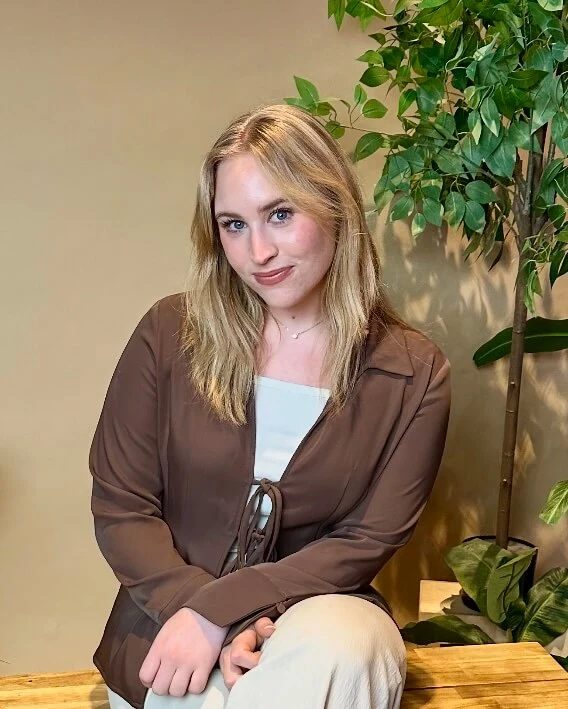
    Kaitie Phillips

    USA Regional Representative

    Kaitie is a vibrant and thoughtful young lady currently studying in the United States, where she brings a grounded, creative presence to WonderfullyMade World. Having lived in 3 different states in Australia, now reside in US, her journey reflects adaptability, curiosity and a deep appreciation for diverse communities.

    As a passionate ADHD advocate, Kaitie offerers lived experience and insight into the realities of neurodiversity for young adults. Her gentle leadership style and love for people shine through in everything she does, from contributing creative idea’s to supporting awareness initiatives.

    She brings a quiet strength and authenticity to her contributions, helping WMW stay connected to its values of compassion, understanding and empowerment.

    Paula Santacruz

    Spanish Editions Lead

    Paula Santacruz is a Colombian language educator with a Bachelor’s degree in English and Spanish Teaching and over a decade of experience in Spanish language education across diverse age groups and educational contexts. Her professional background spans Colombia, United Kingdom, and Australia. During her tenure in Scotland, she taught Spanish and French in secondary schools, including within an International Baccalaureate setting.

    Paula relocated to Perth, Western Australia in 2022. In 2023, she led the establishment of the Spanish program at HillSide Christian College, designing and delivering curriculum from primary to secondary levels. She currently serves as President of the Spanish Language Teachers Association of Western Australia (SLTAWA), where she works in collaboration with the Embassy of Spain and advocates for the expansion and strengthening of Spanish language education across the state.

    Gigi Rikki

    EA, and Calming Presence

    Gigi is the creative heartbeat behind WMW’s day to day inspiration. As Mel’s PA and Social Media support, she brings energy, humour and a whole lot of flair to everything she does.

    In her words:

    I’m very grateful to be part of such a passionate and creative team – this project is intentionally spreading awareness about ADHD in such a positive, and meaningful way.

    She’s a music lover though and though, with over 400 Spotify playlists that cover every mood, moment and memory.

    Cameron Kim Jones

    Illustrator and Creative Lead

    Cam is an accomplished designer, illustrator and art director with over 20 years’ experience in both Australia and the UK.

    Balancing the world of graphic design and creative illustration, Cameron has completed work for household brands such as Disney, American Express, Barclays, Deloitte, Brookfield, BHP, RAC, Bosch, Kleenheat, The Wallabies, Transperth and Murdoch University through agency and inhouse positions at WundermanThompson, Purple Communications, Trilogy A&M, Ogilvy, Aquent and the Western Force.
     
    Cameron’s passion for the Wonderfully Made project is driven by his own son, who has ADHD. Seeing firsthand the struggles, Cameron is has a desire to get tools and education to children and parents early in life. Establishing lifelong, positive habits and attitudes.
     
    Fun fact, growing up Cameron had a “squiggle” appear on the Australian TV show Mr Squiggle.

    Brenton Phillips

    CEO and Neurotypical Lead of our team.

    Brenton runs the operations at Wonderfully Made World, turning big‑hearted ideas into momentum. He builds simple, reliable systems enabling our team to create story‑based resources that help children, families, and teachers realise their uniqueness and thrive.

    Living in a family with ADHD, he understands the importance of clear routines, flexible tools, and understanding in every interaction. Brenton nurtures our professional partnerships removing roadblocks so creativity can shine. He’s focused on enabling our mission to help everyone understand ADHD, especially families and educators navigating it. His north star is our vision: a world where everyone’s value is recognised and realised.

    Mel Phillips

    Author and Creator of Wonderfully Made World.

    Mel is the creative mind and heart behind Wonderfully Made World.

    Based in Perth/Melbourne, she’s a storyteller, speaker, and advocate for ADHD awareness especially in women and children. Her work blends education, faith, and empowerment, helping people discover their true value and voice.  Mel is a proud mum to Ethan and Kaitlyn, and has been married for 26 years to her best friend and biggest cheerleader.

    She’s passionate about people, purpose, and making meaningful connections whether through her books, workshops, or spontaneous conversations.

    When she’s not writing or speaking, you’ll likely find Mel at the gym, out walking in nature, or dreaming up her next creative project.  Her best ideas often arrive mid-stride and she’s learned to keep voice notes handy just in case.

    Mel believes in living with intention, laughing often, and helping others see they are Wonderfully Made just as they are.

    Book a Demo Today